
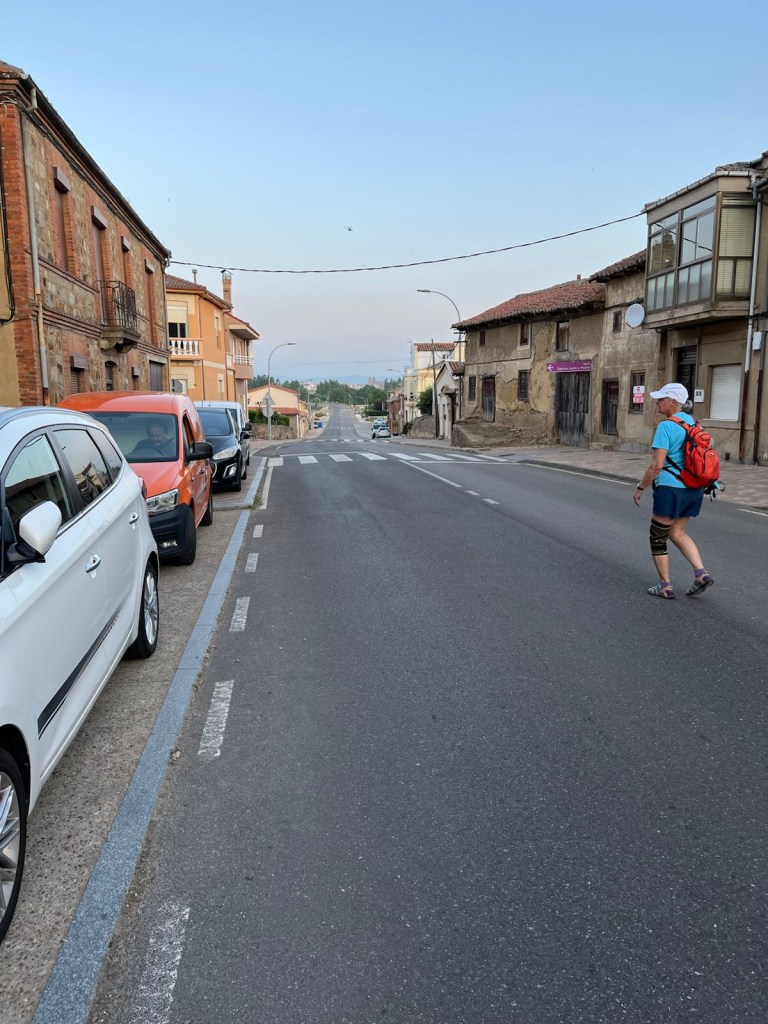
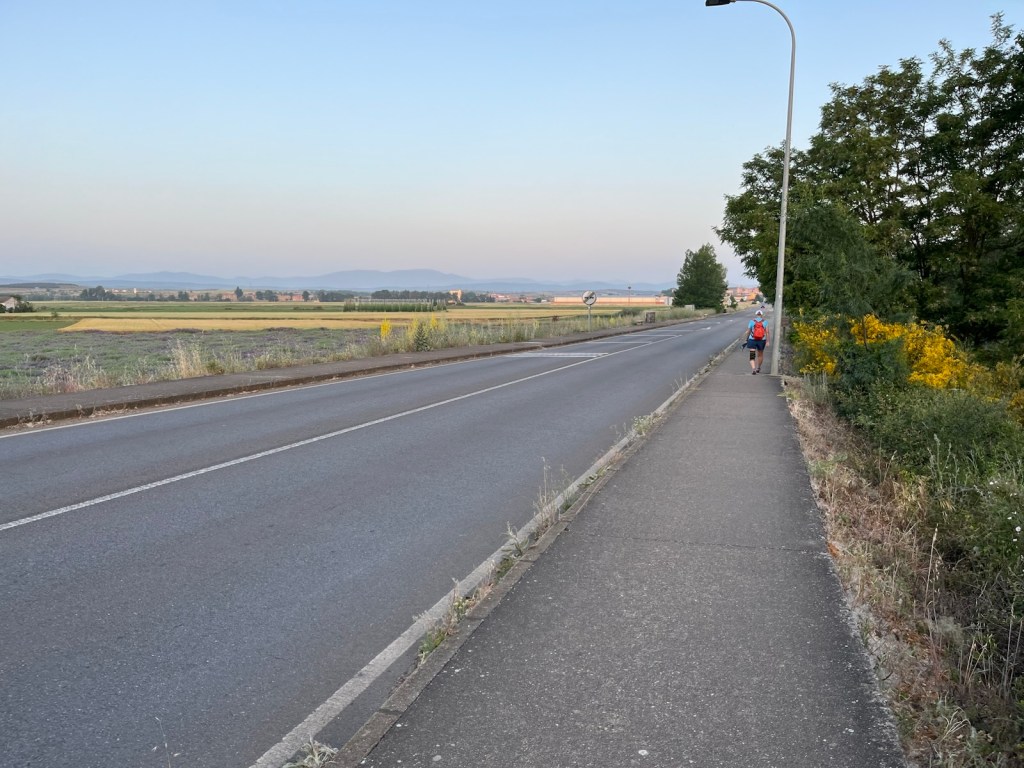
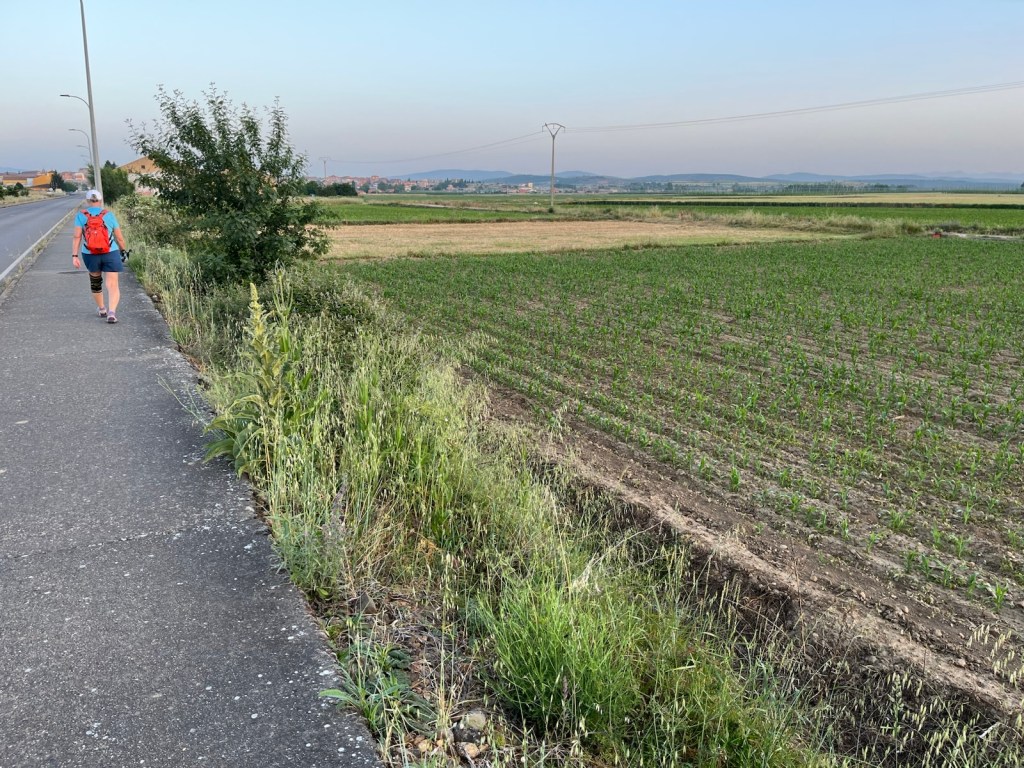
Walked: 8.1 mi. Camino2025: 153 mi.
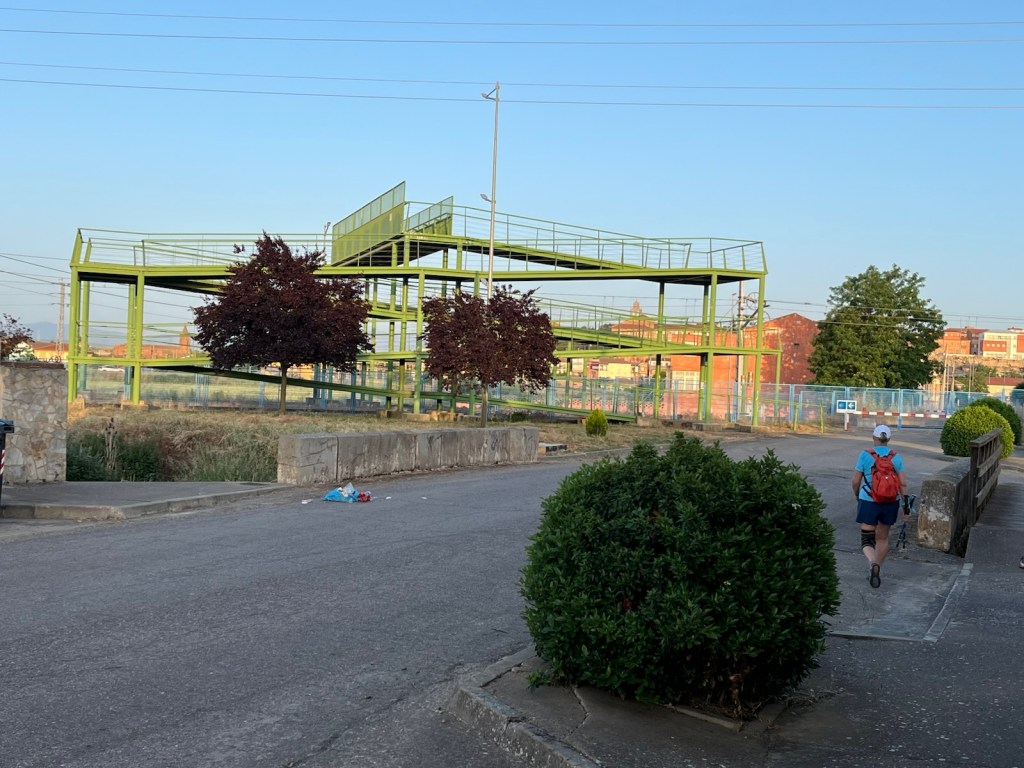
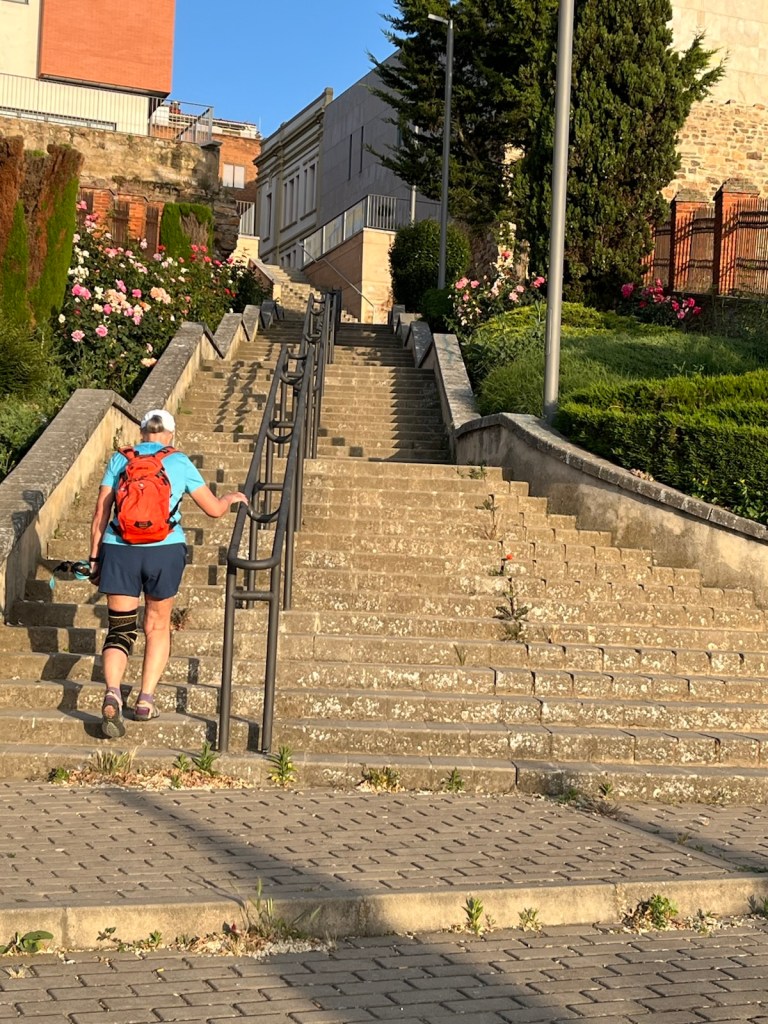
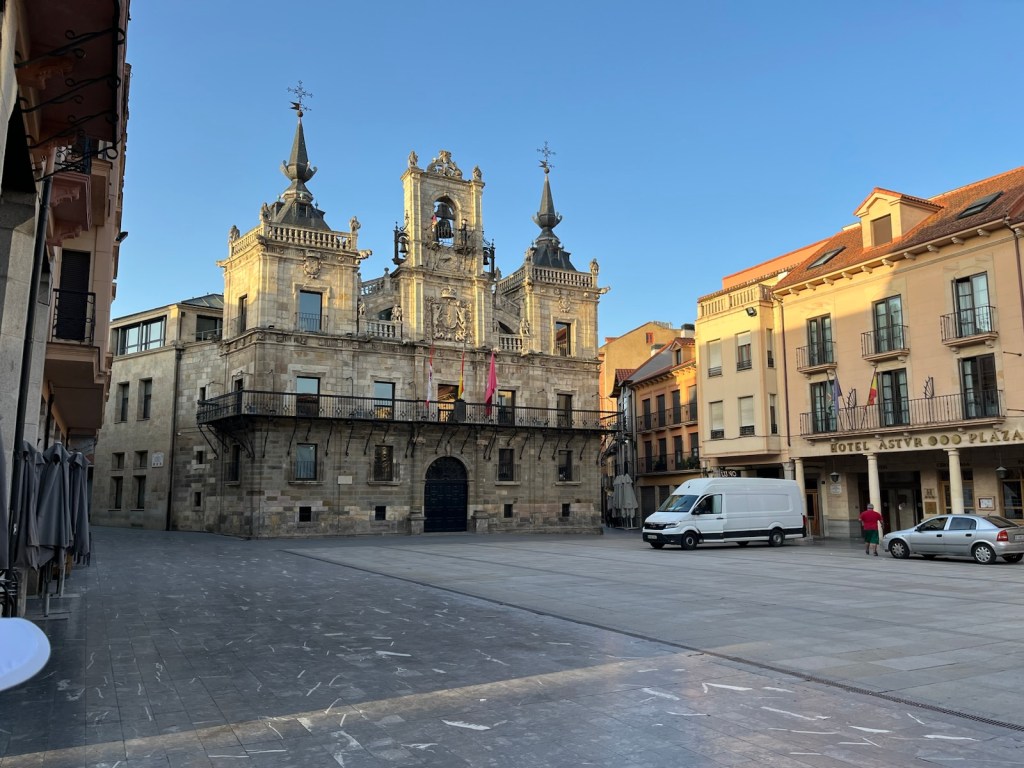
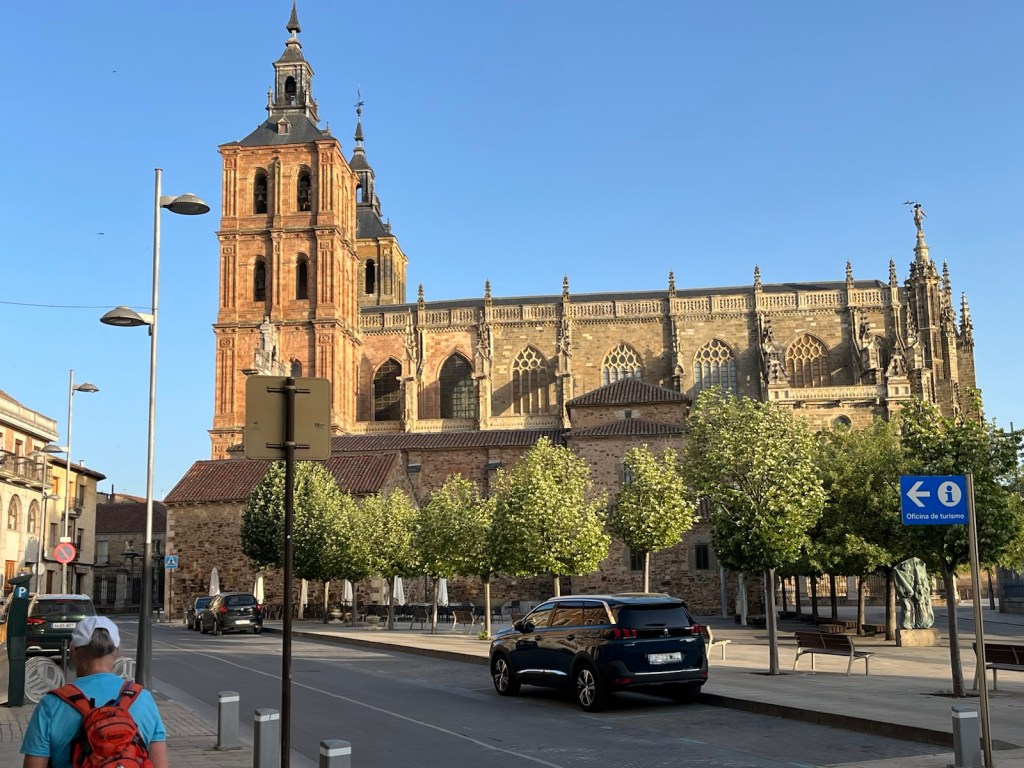
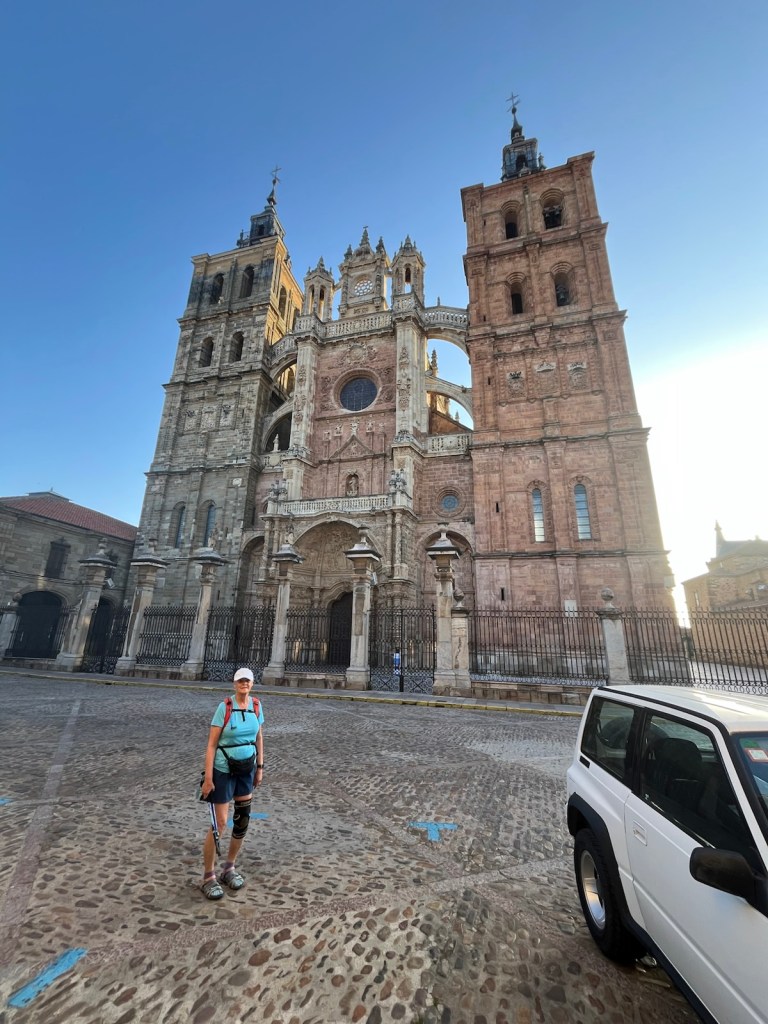
Astorga is a pleasant city with interesting and varied historical buildings, just the right size to not be too overwhelming with main sites confined to the small Old City. First a Celtic settlement, Astorga developed into an important Roman city at the crossroads of the Via Trajana and the Vía de la Plata, as well as an important center for Christianity. According to legend, both St. James and St. Paul preached here. The bishopric of Astorga was one of the earliest Christian titles. The city passed to the Visigoths in the 5th century and was destroyed by the Muslims in 714, then reconquered by Ordoño I in the mid-9th century. After León was destroyed by Al-Mansur’s army, Astorga acted as the capital of the kingdom.
The city flourished with the pilgrim trade and housed 21 pilgrim hospitals, the second most on the Camino Francés (after Burgos). One of these hosted Saint Francis of Assisi on his pilgrimage in 1214.

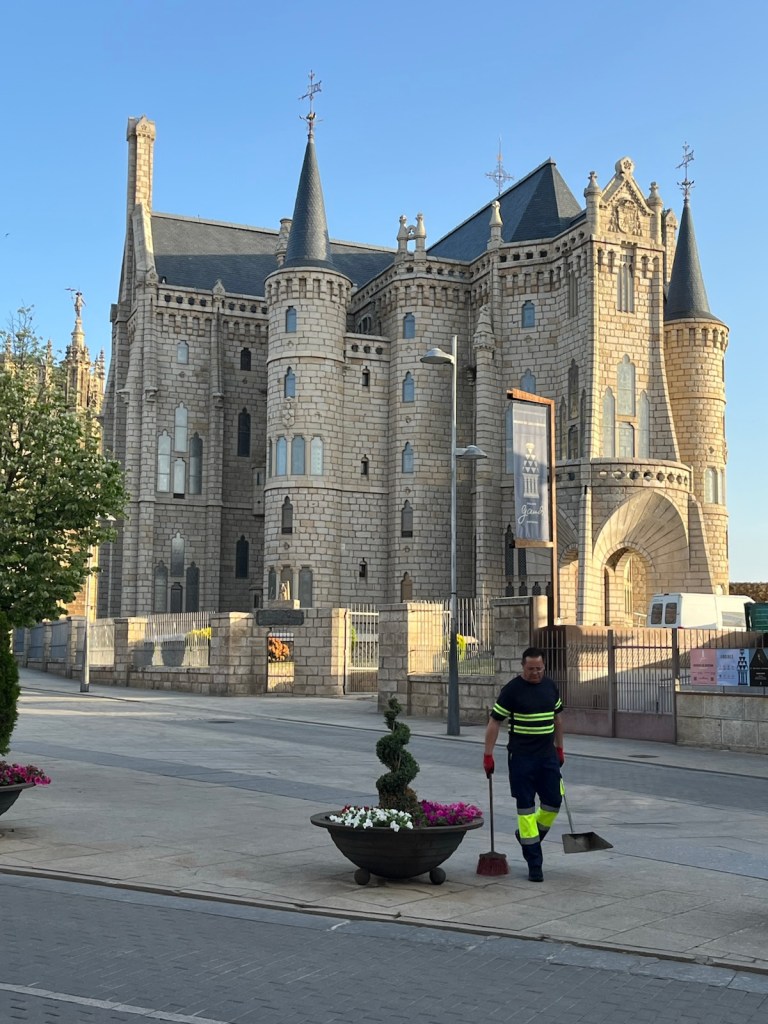
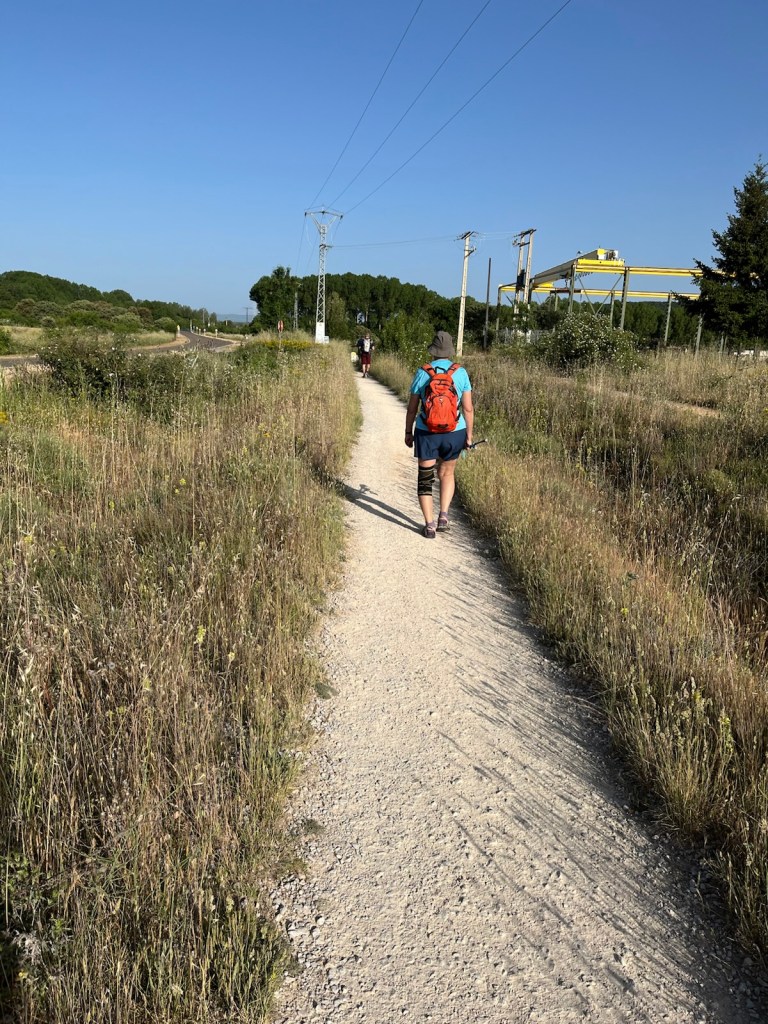

The Maragato culture, centralized in about 40 villages around Astorga is rumored to be descended from the Berbers of North Africa, who arrived with the Muslim conquest in the 8th century and later converted to Christianity. Maragato men traditionally worked as muleteers, mule drivers who transported goods (especially fish and gold) around the peninsula.
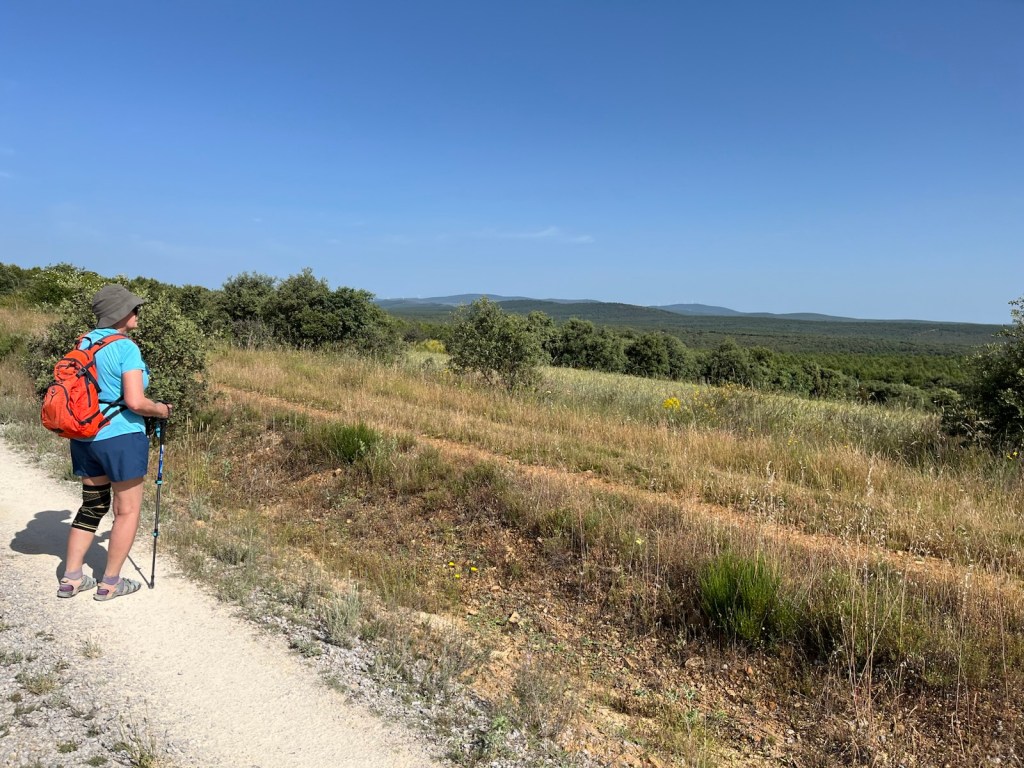
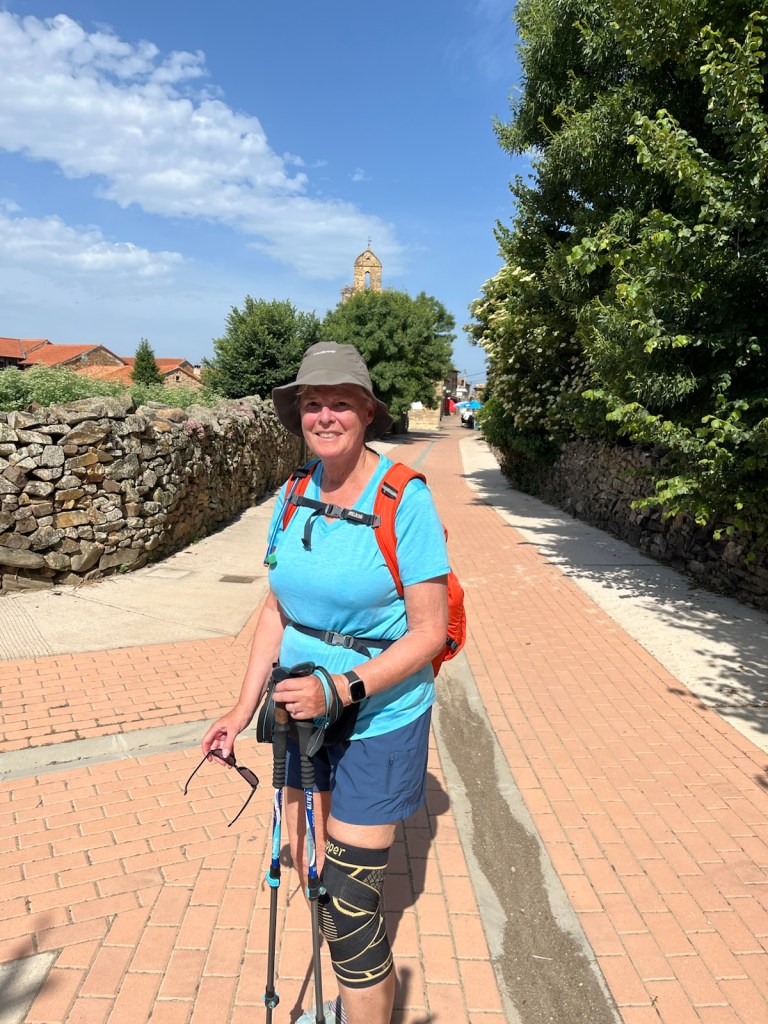
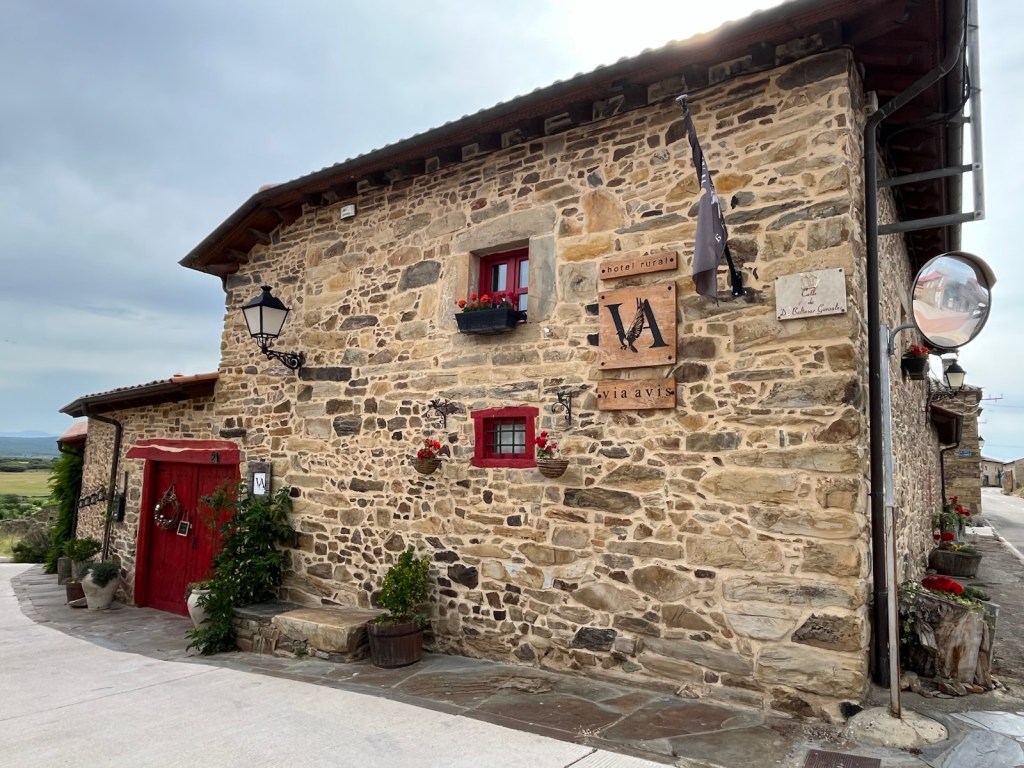
This is our 7th visit to Santa Catalina and our 3rd to Via Avis. Translated, ” the Birds’ Way” it refers to the belief that the birds were the guide for souls on the way into Paradise.
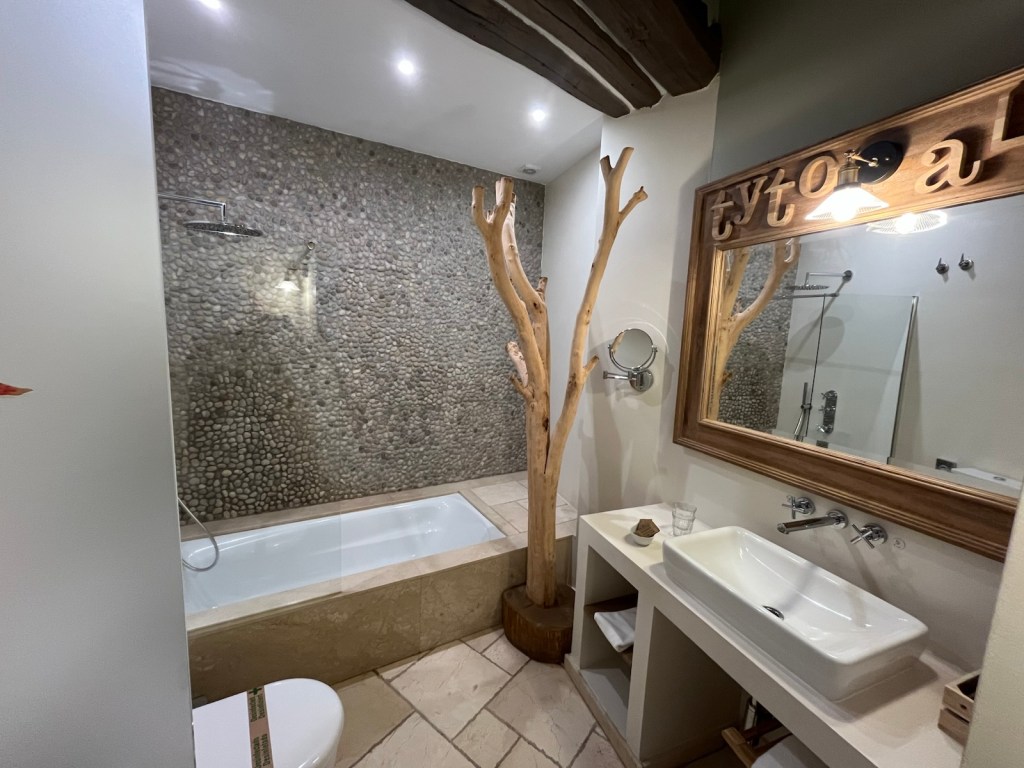
The house is restored from the original 1776 structure. It’s a very upscale B&B with 6 double bedrooms, each with its own personality, but always related to birds and their mythology.
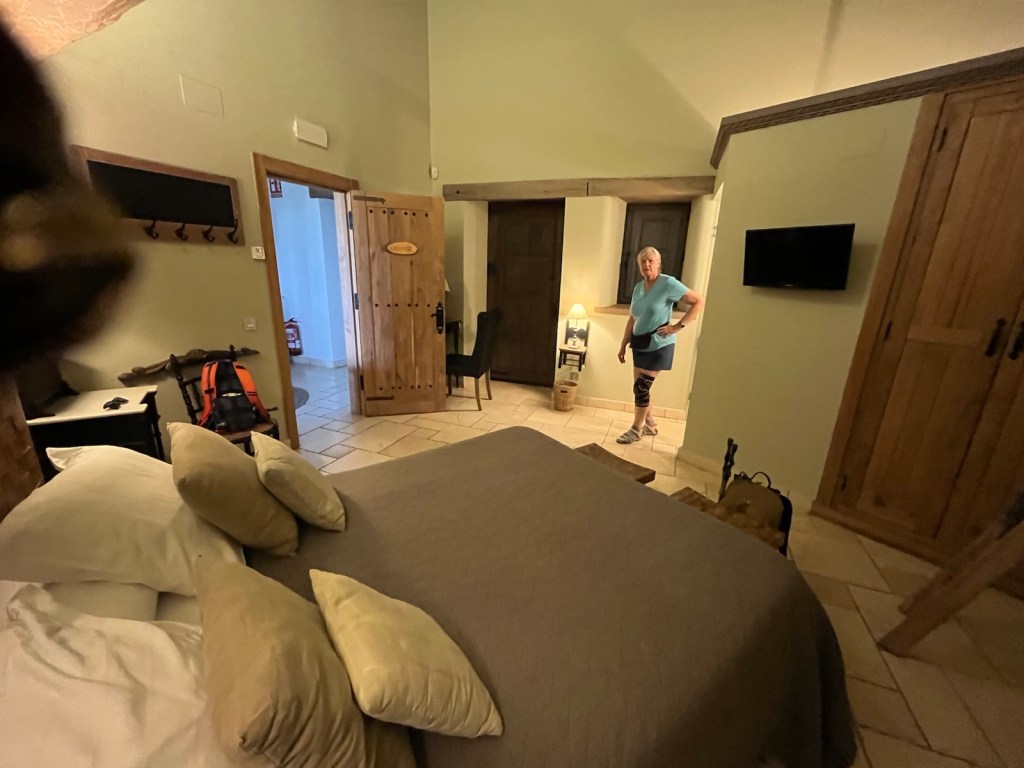
After a having pizzas for our main meal in one of the two bars in the village (pop.60), we spent the afternoon chatting with a young man from Toulouse, France who started the Camino in León just a day ago, with his father, riding bikes. We also chatted with a lady from the Netherlands who had recenty moved to Santa Catalina and was working part time with Carlos and Dainia, our Hosts. As the day wound down, we reverted to our routines and prepared for tomorrow’s walk on the Camino Frances.
 Jimandi