
Walked: 5.2 mi. Camino2025: 86 mi.
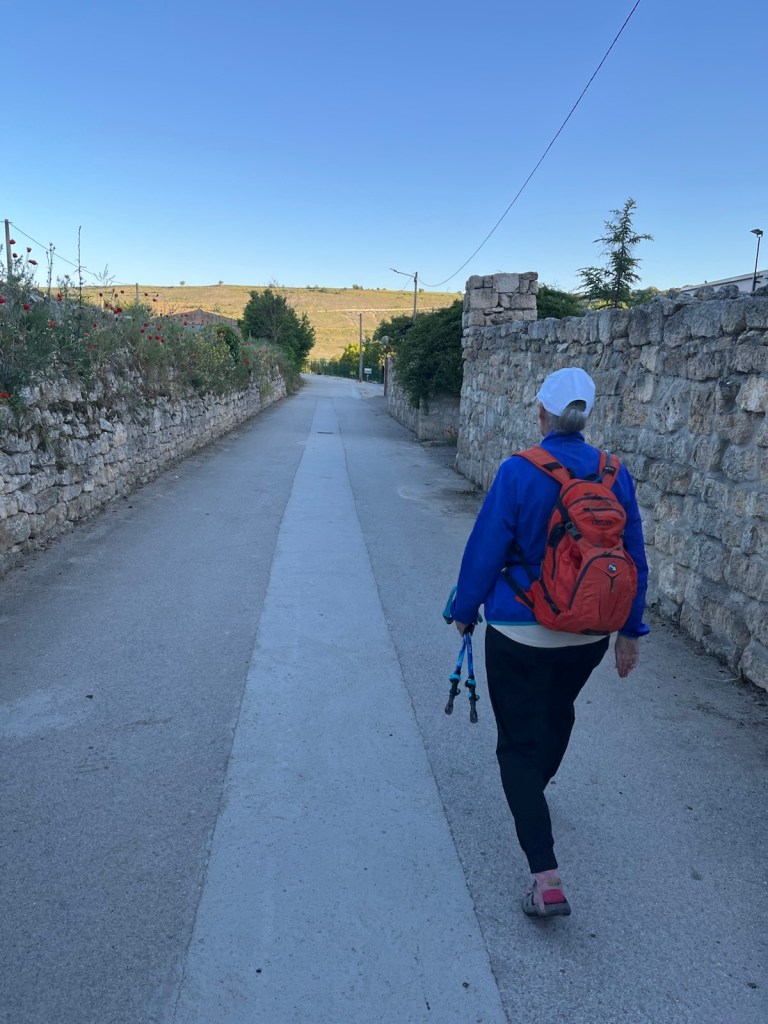
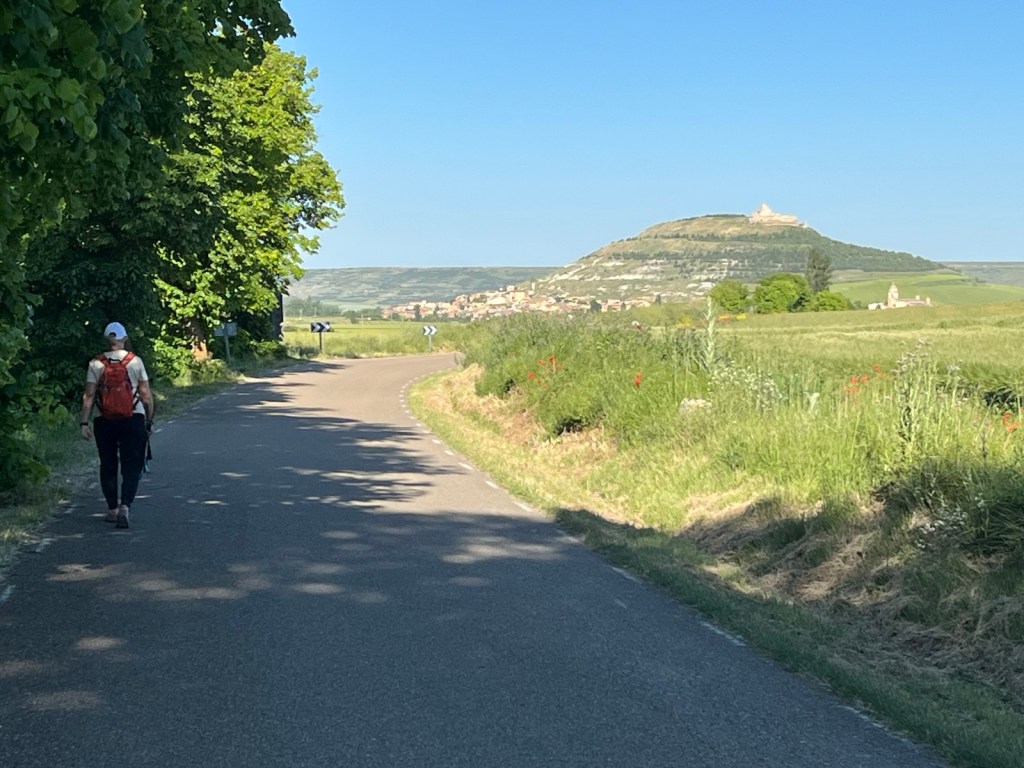
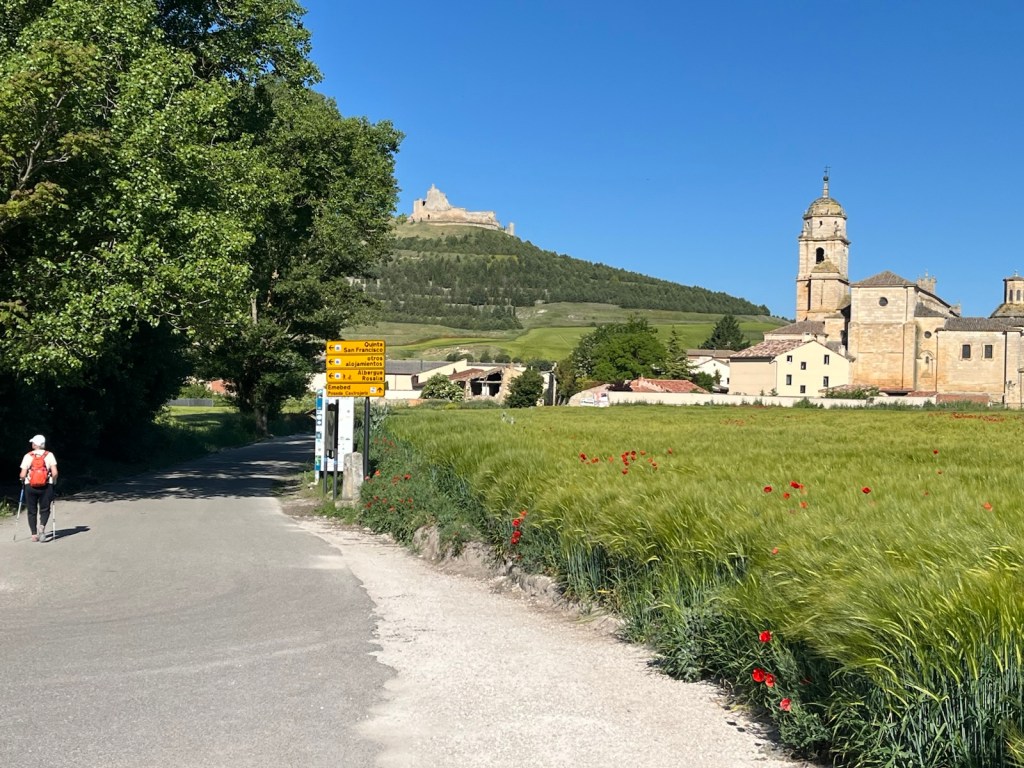
On our first few Caminos, we always left Hontonas in the dark to avoid the summer heat. There are two paths that leave Hontonas, one following the paved road and the other, a dirt path partway up the hill but not all the way to the Meseta, because Hontanas and Castrojeriz are both in the same valley.
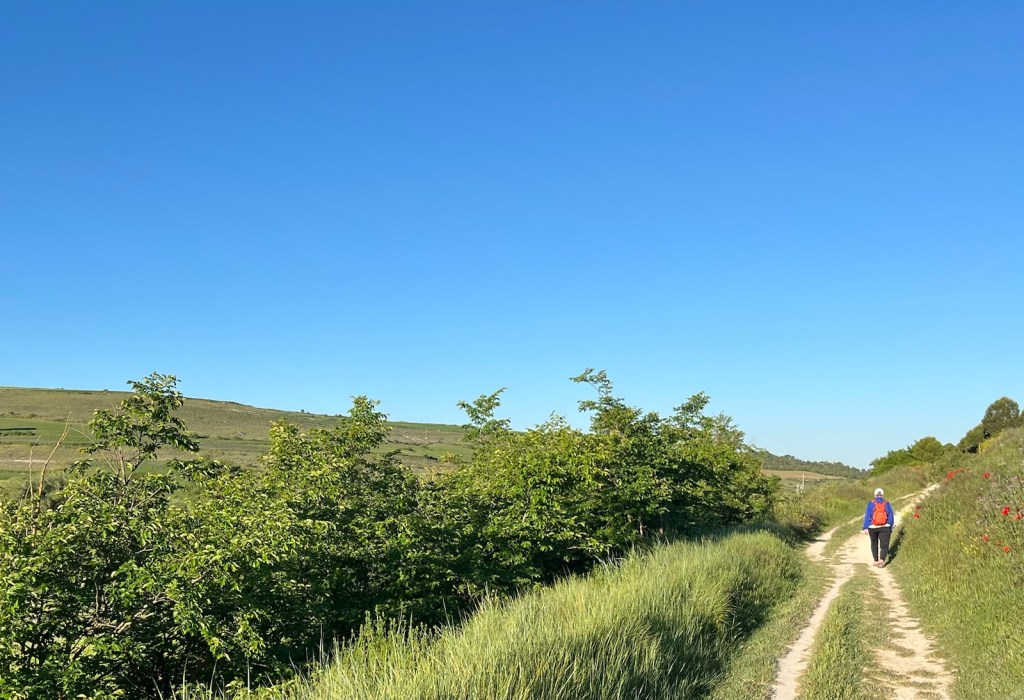
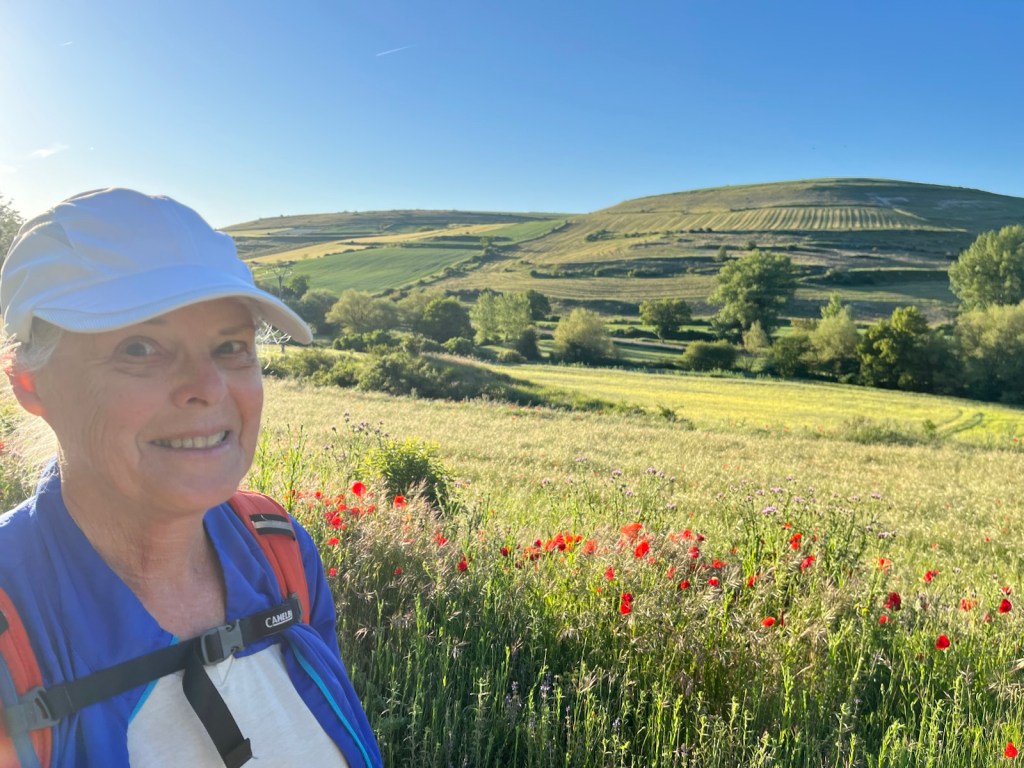
Since our first Camino was in the dark, we took the paved road, minimizing our chances of getting lost. Also, as we discovered later, the paved path is lined with trees (shade) while the dirt path is more exposed to the sun. So, until today, we have always walked the paved path, but for Camino2025, we decided to walk the dirt path for the first time.



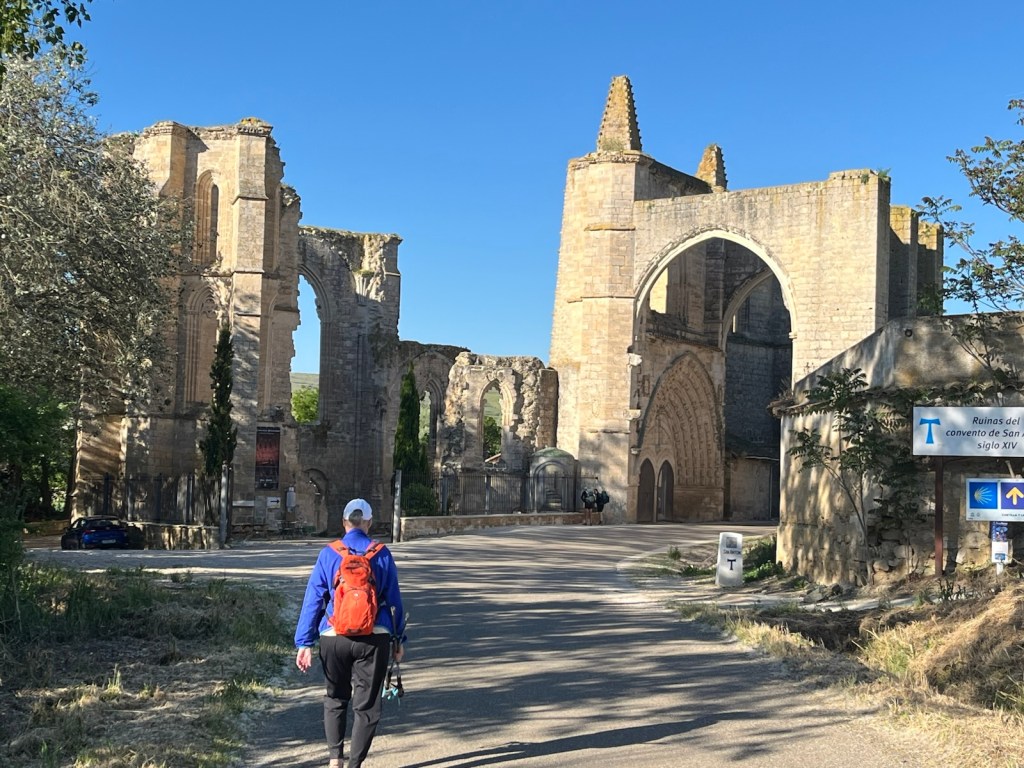
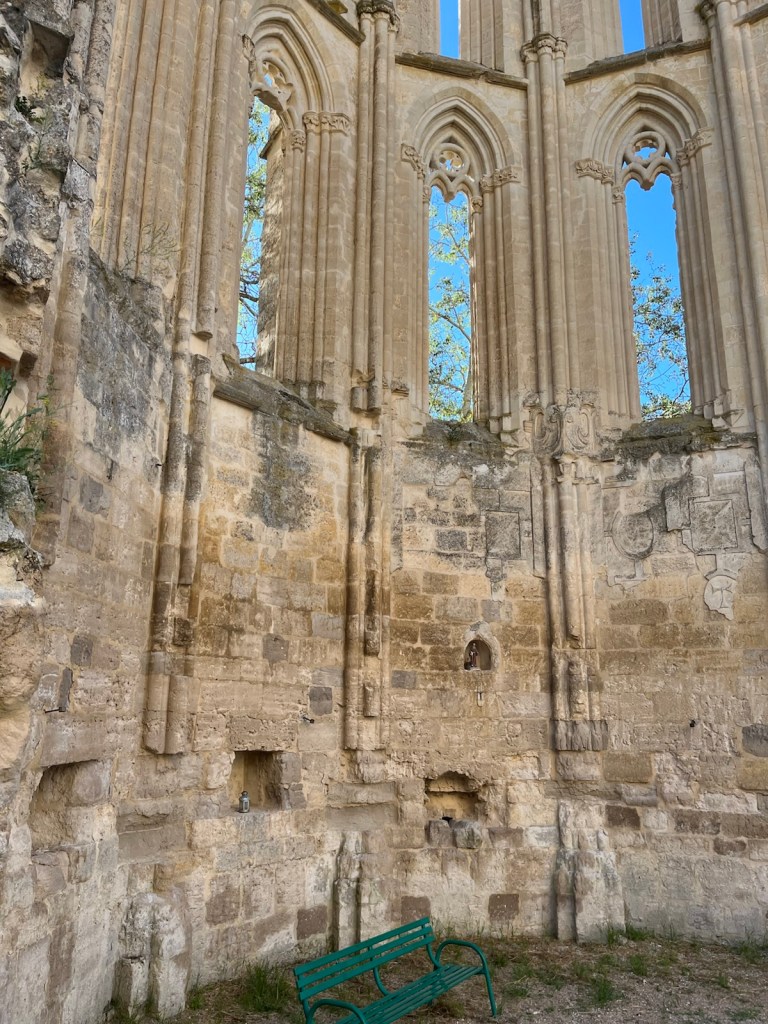
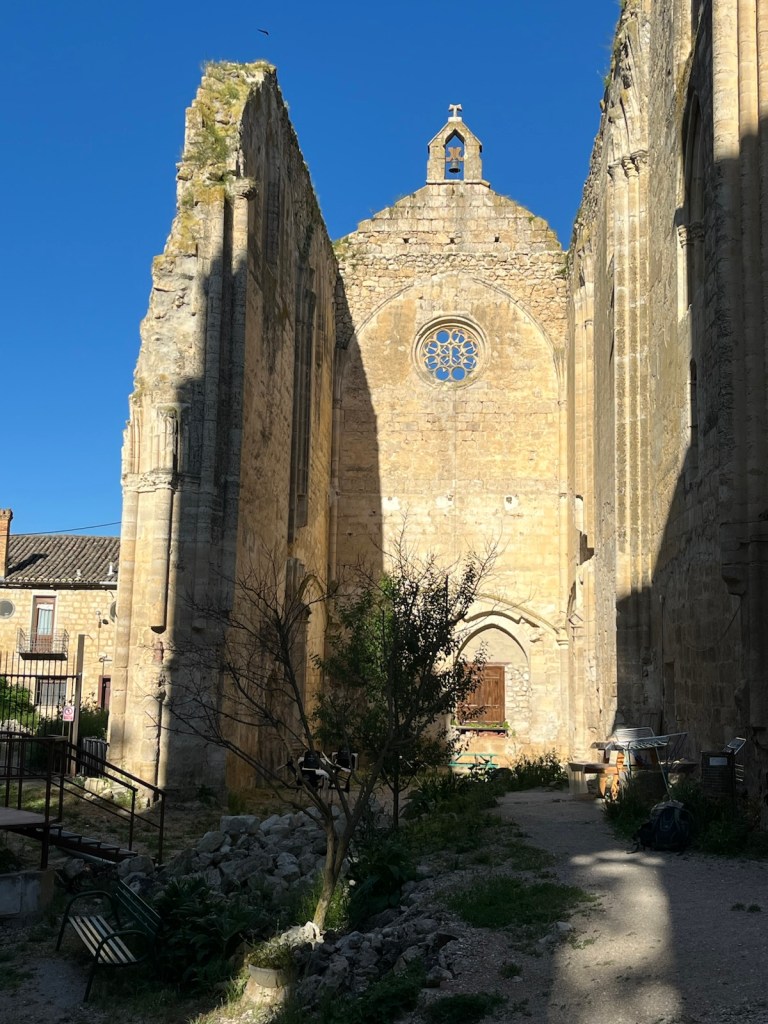
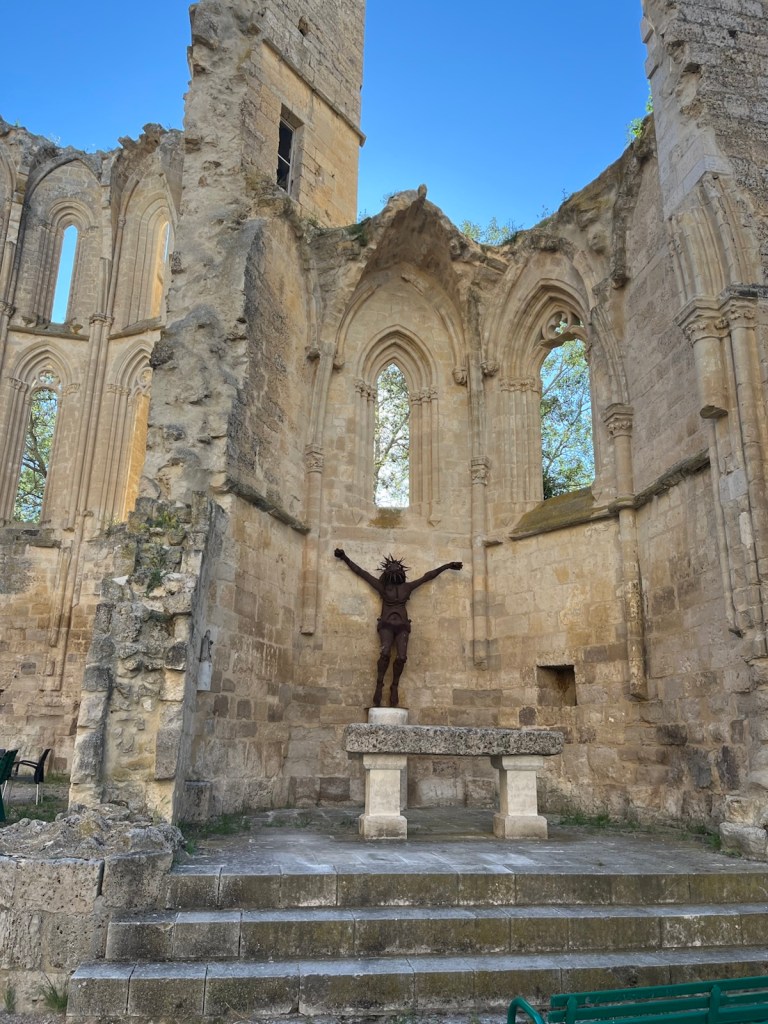
San Antón church complex was started by the Order of St. Anthony, a 11th-century order dedicated to the 3rd-century Egyptian hermit whose relics it held. A man brought his daughter to the relics and she was healed of a particularly pernicious disease reminiscent of leprosy. This disease became known as St. Anthony’s Fire, which caused a terrible burning feeling, loss of circulation and eventually gangrene. This disease was in fact likely ergotism, caused by a fungus that grows on rye bread. The order developed a reputation for healing this disease, though serendipitously, pilgrimage was an excellent antidote to the disease as vigorous exercise and plenty of wine helped to overcome it.
The niches outside the church were used to hold food for the poor.
St. Antón is the patron saint of animals, and across Spain people bring their pets to be blessed on his saint’s day.

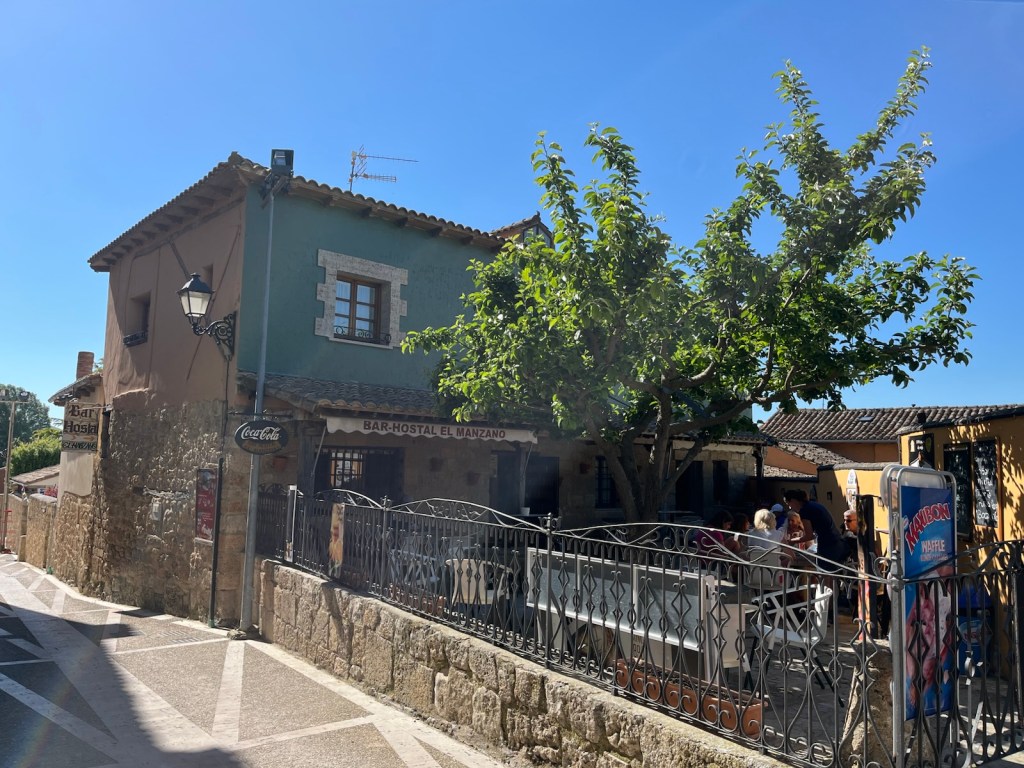

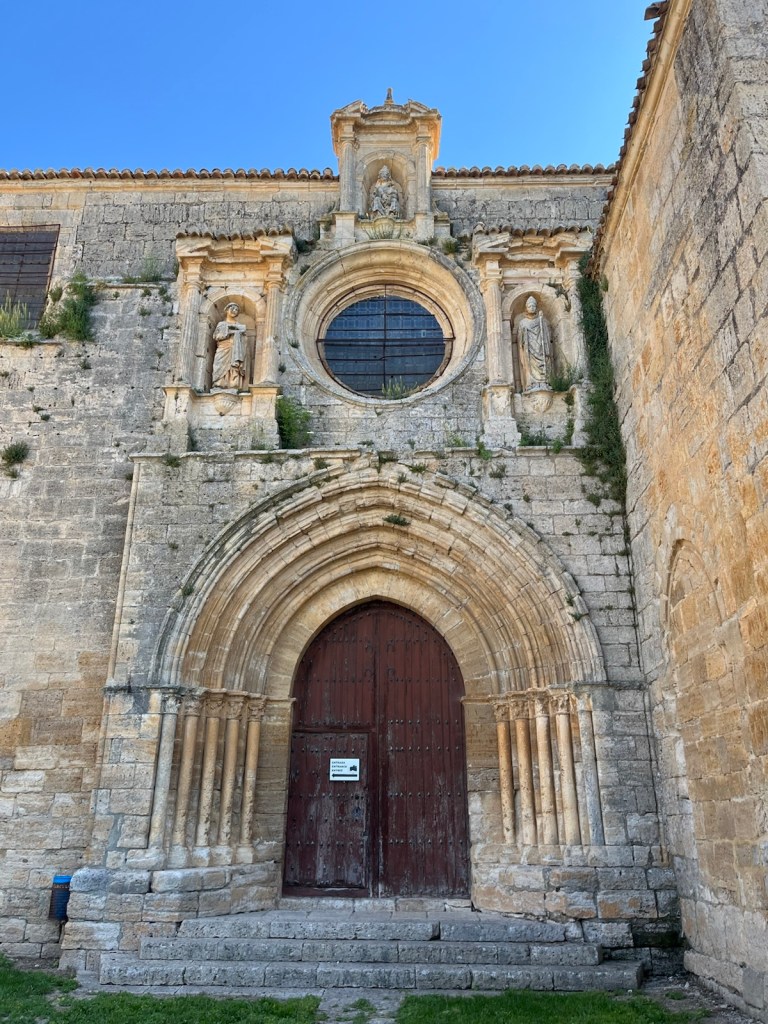
Legend has it that Mary appeared to St. James from an apple (manzano) tree and he was so startled that his horse reared up and came down heavily, leaving hoofprints in the stone outside the entrance of the Iglesia.
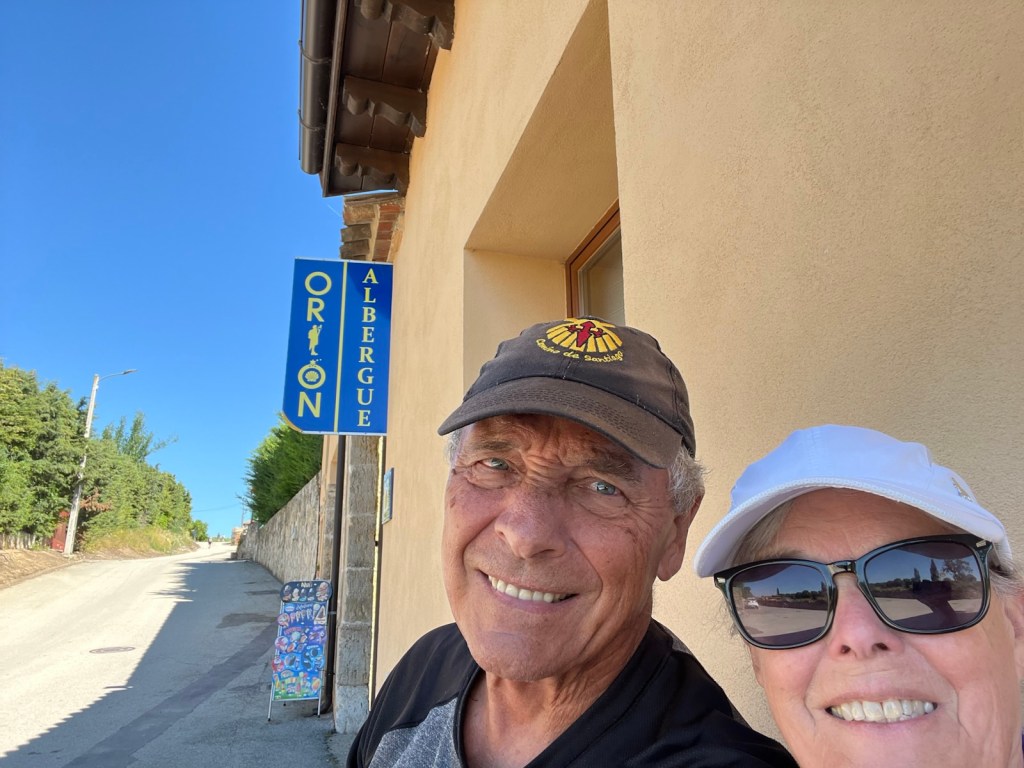


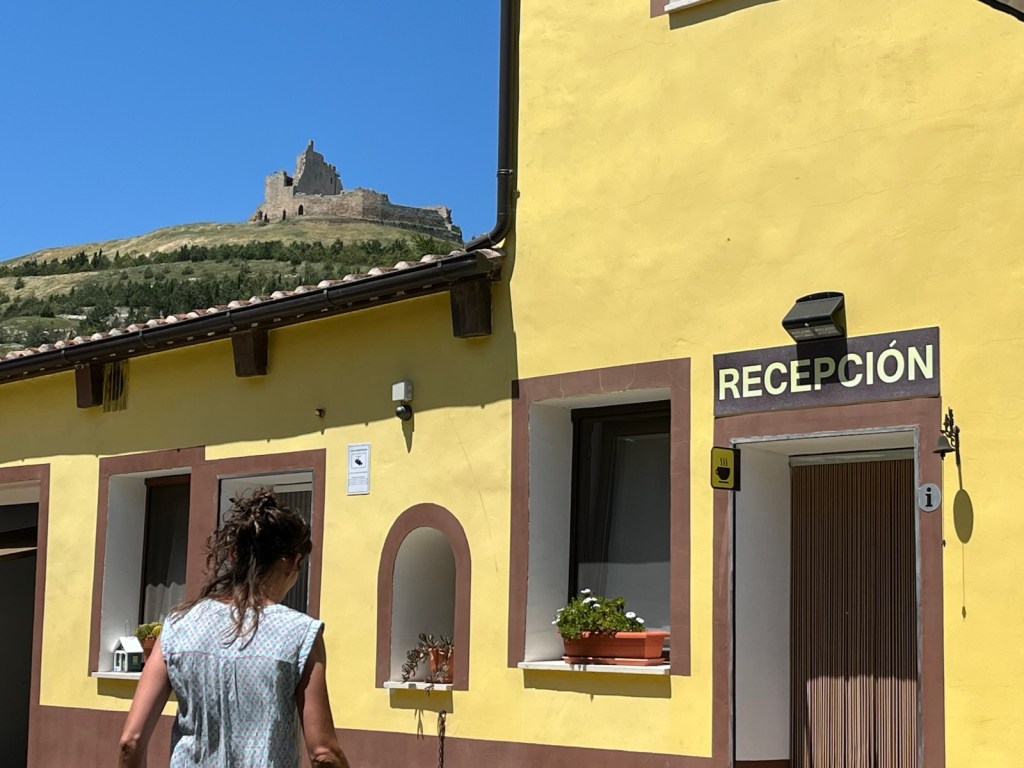
Castrojeriz occupies a perfect position for defense along the steep mesa topped by the Castillo de San Esteban. The Romans used the castle, said to be founded by Julius Caesar, to protect the roads to Galicia’s lucrative gold mines. The city changed hands frequently until coming under Christian rule in the 10th century.
We signed up for the 7:00 special evening dinner. But we also split a meal at 1:30 to hold us until dinner time.

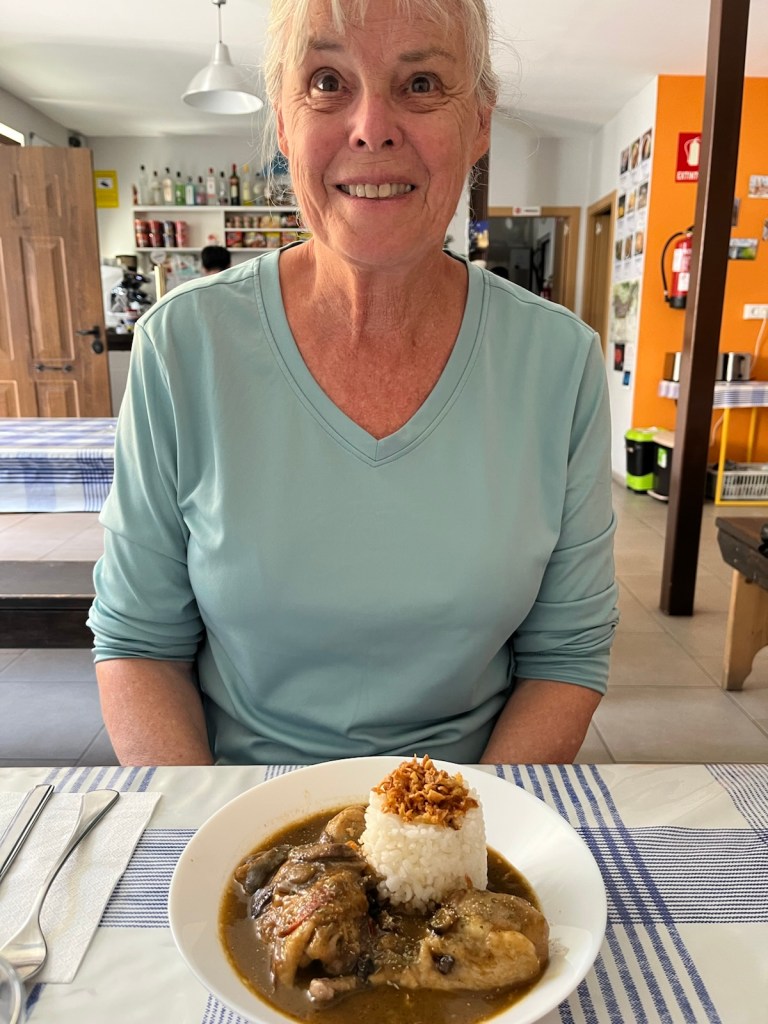


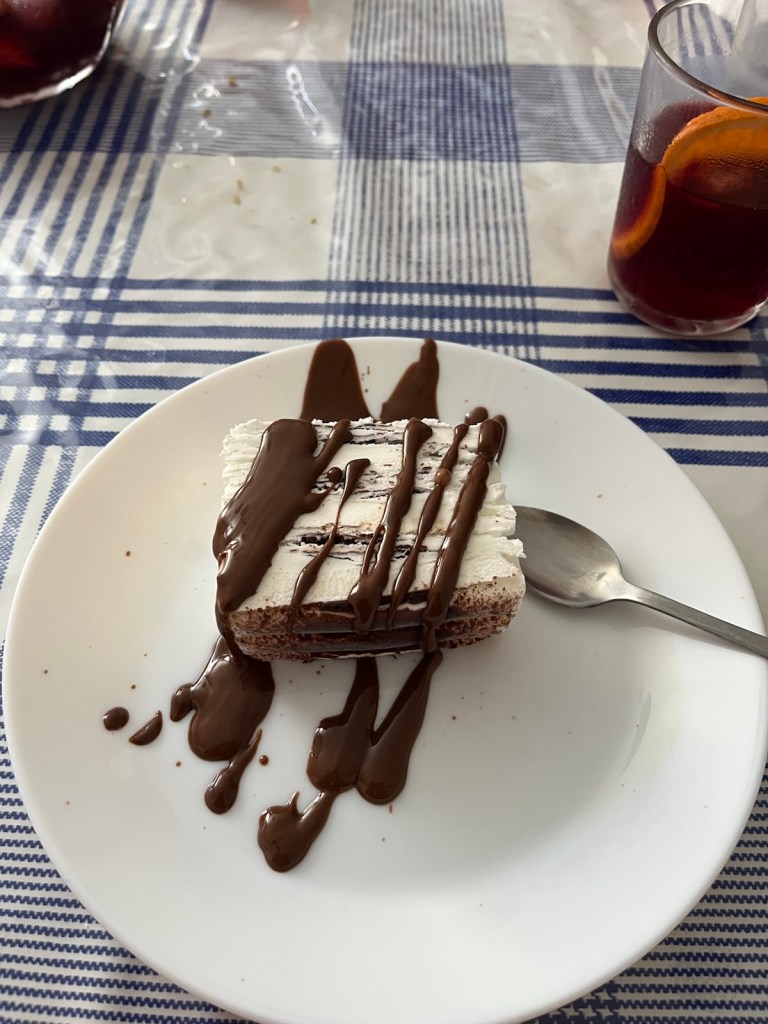
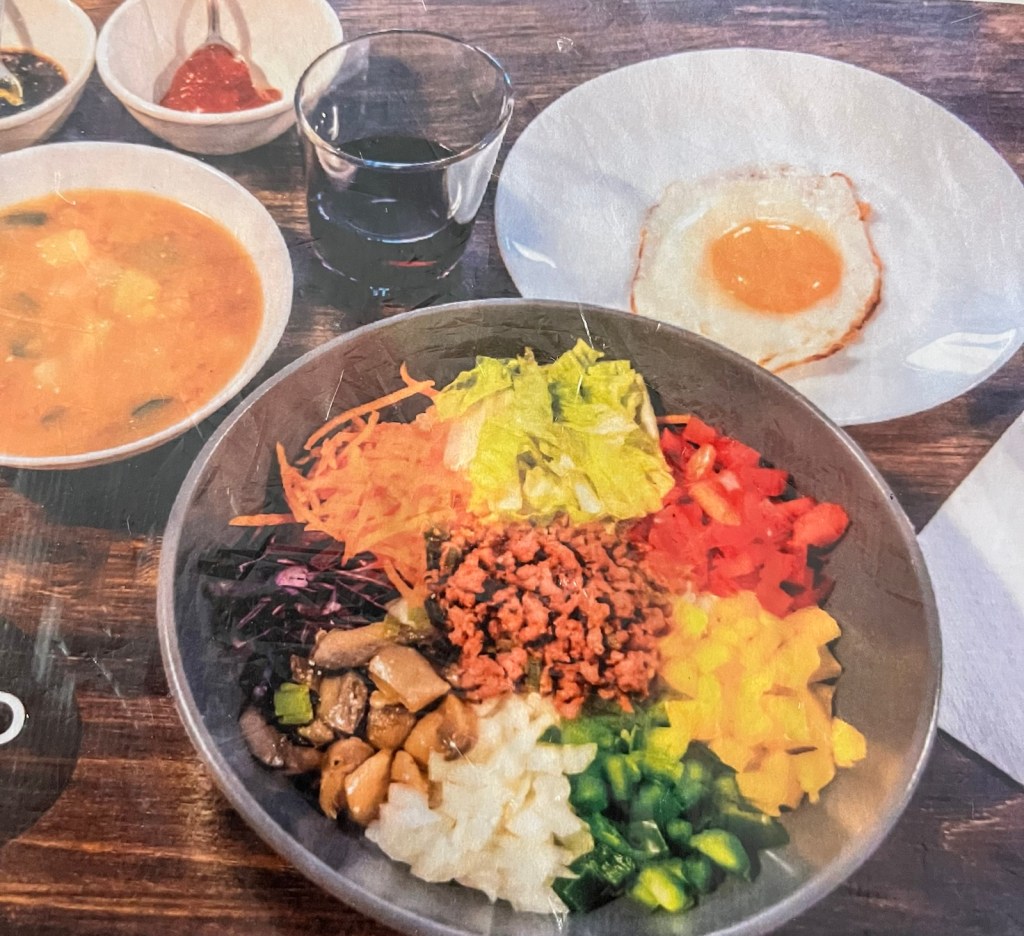
Dinner was enjoyed by 20 pilgrims from Netherlands, Korea, Japan and US. The traditional Korean meal was served and it was as good as we remembered from last year. Unfortunately Jim dived right in and forgot to take a photo. So all we got was the remnants of his meal.
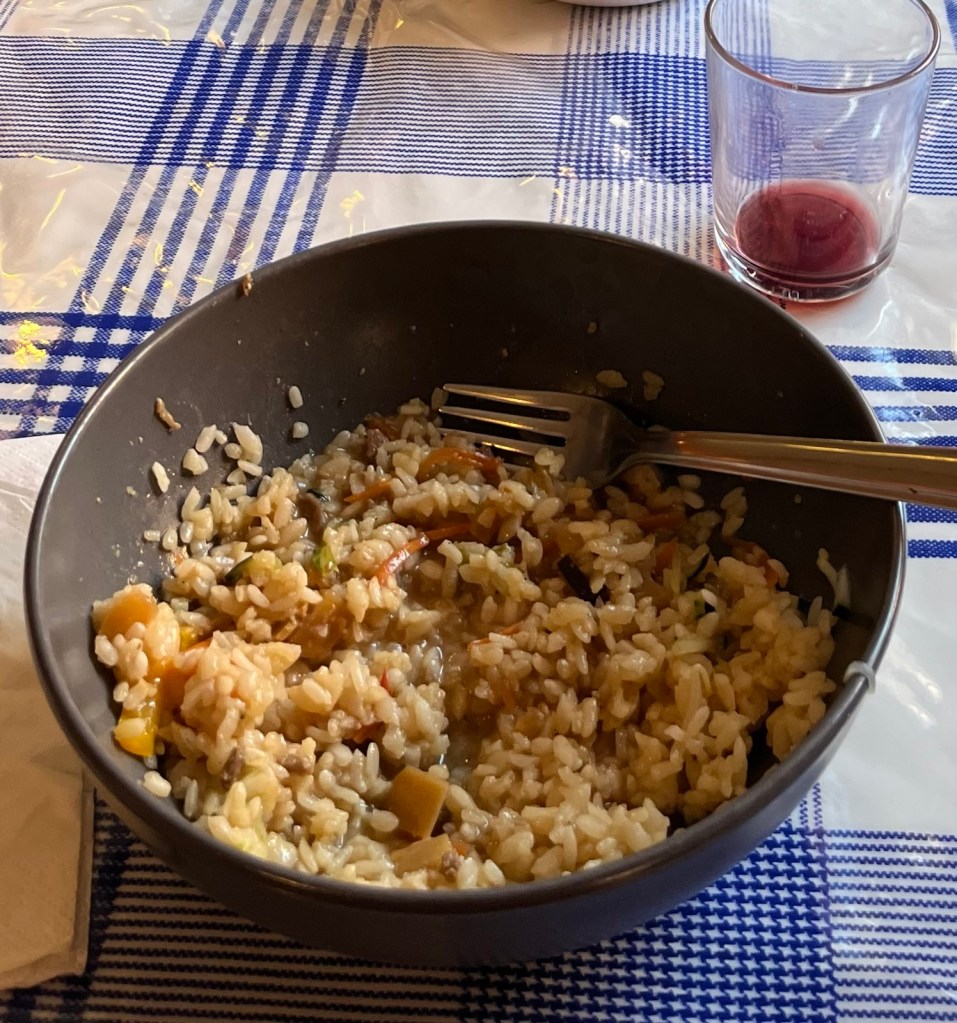
However, the owner graciously shared her photo of the dish before some voracious pilgrim got his hands on it.
The Camino is a culinary experience! Buen Camino!
 Jimandi