
Walked today: 5.86 mi. Camino2023: 199 mi

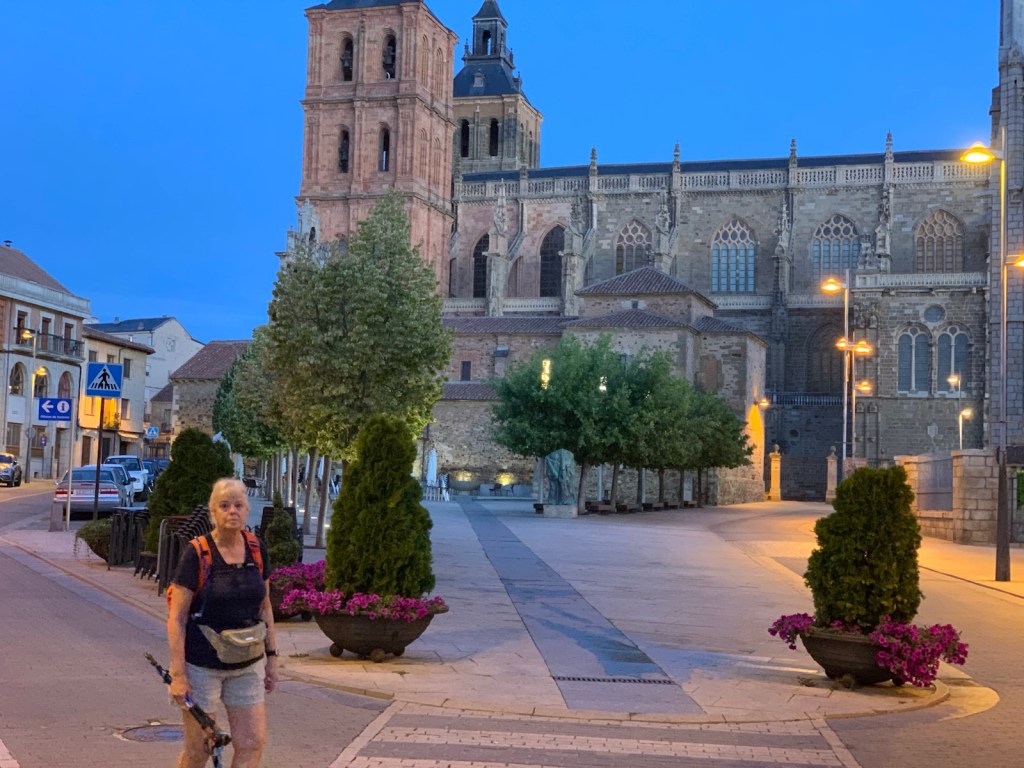
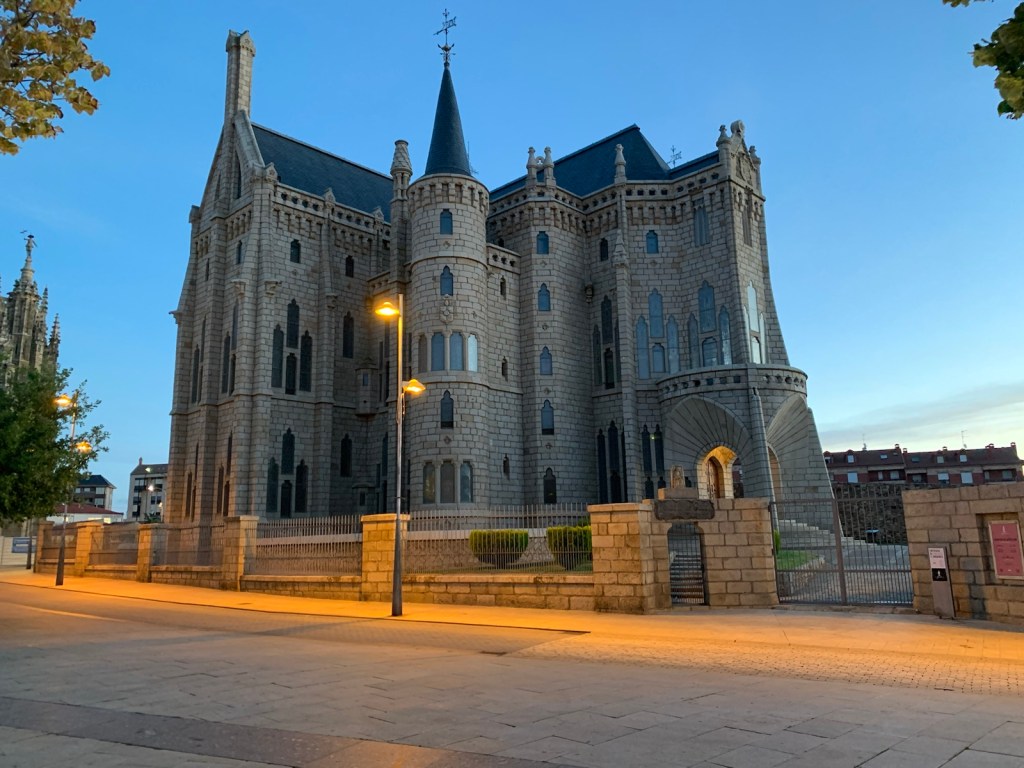
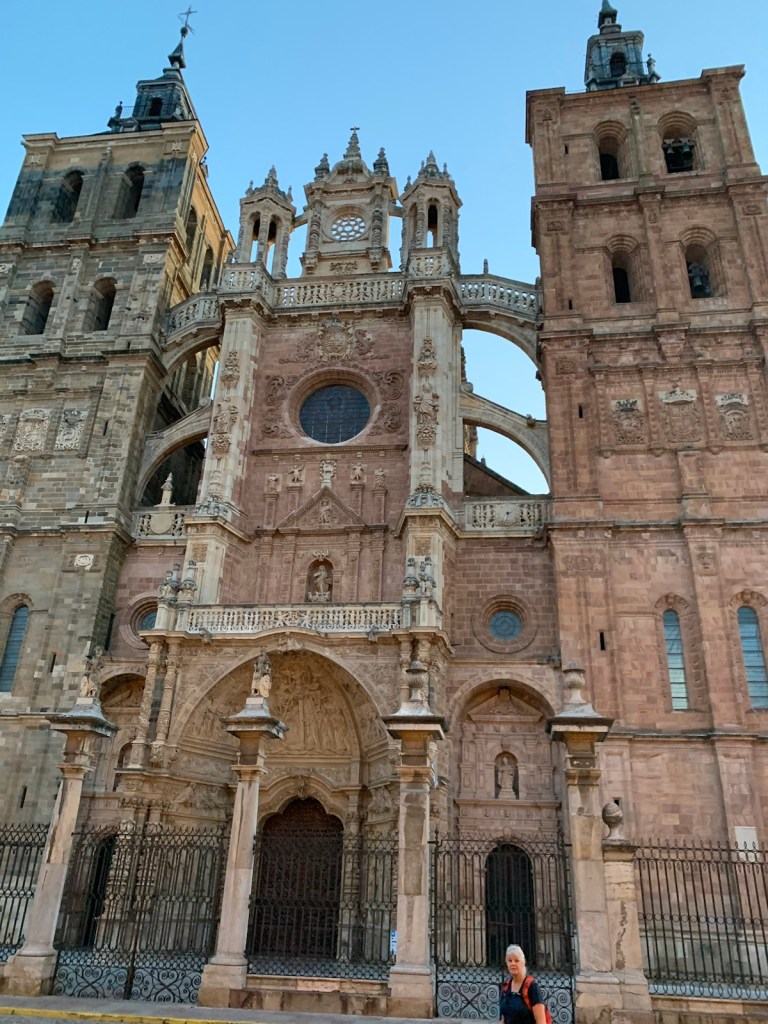

Right after walking past the church, our pilgrim friends from Australia, last seen 5 days ago, walked past us and said in passing they were walking 38km today! We wished them “Buen Camino”. We’re thankfully doing only 10km.
The Maragatos are an ethnic group of about 4,000 people who are believed to be the last Moorish people in Spain. They were descended from the Berbers of North Africa who crossed into the Iberian peninsula with the first Moorish incursions in the early eighth century. They were first recorded in this area in the 10th century. They used mules to transport fish to Madrid and ferry the Spanish monarch’s gold from place to place. In the 1830s, one British traveller, Richard Ford, compared their insularity to that of the Jews and the gypsies. Like the Jews, they are renowned as traders and businessmen and their success has historically prompted jealousy.

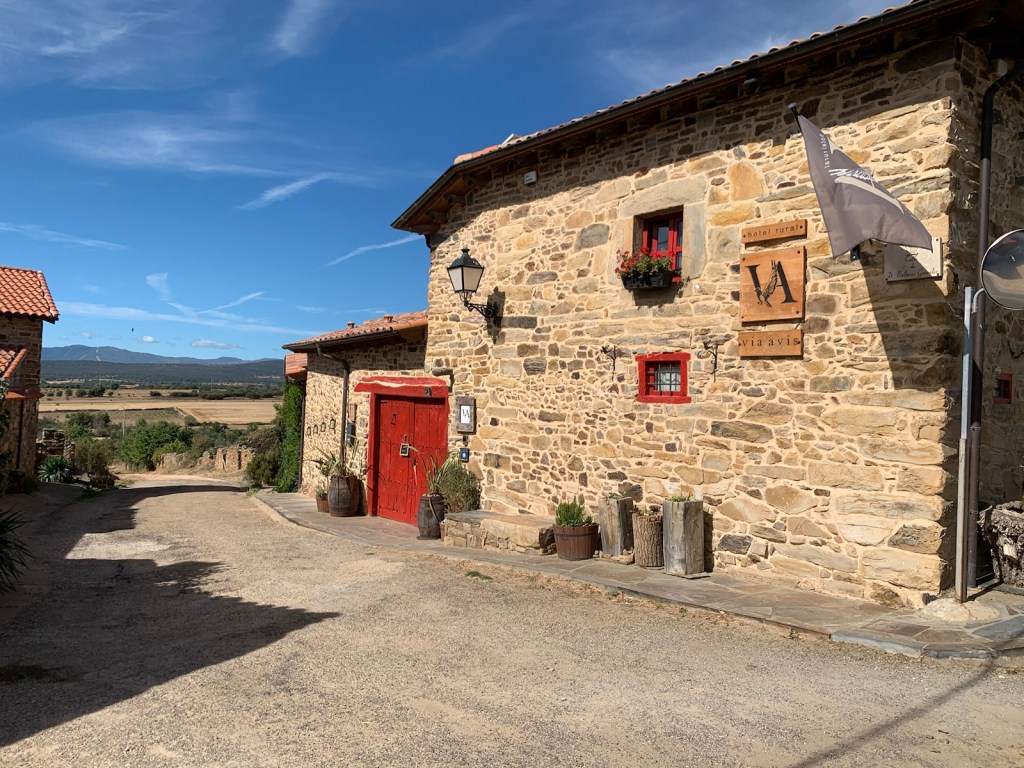
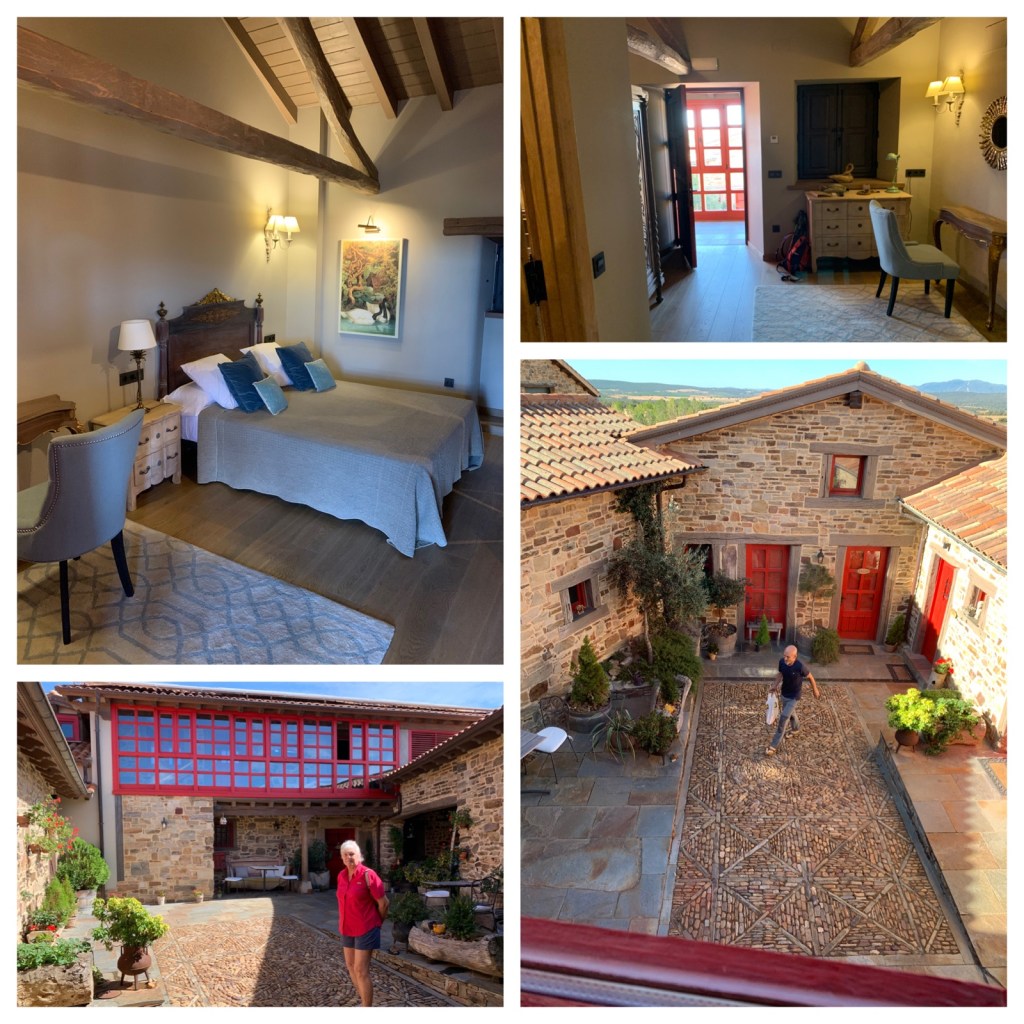


Via Avis was opened 6 years ago by a couple: Daina, from Lithuania and Carlos, from Spain. They converted the ruins of a very historic house into an extraordinary B&B located in what is otherwise a struggling Maragato village of 90 inhabitants.
According to oral traditions, the original town was abandoned and likely destroyed due to an epidemic many years ago, with the surviving residents returning to rebuild it from the ground up. The house was originally built by professional stonemasons for an unknown but likely important person.
There is an inscription over the original door, dated 1776, proclaiming that the inhabitants were Christians, to avoid persecution or being expelled as were Muslim or Jews of that era.
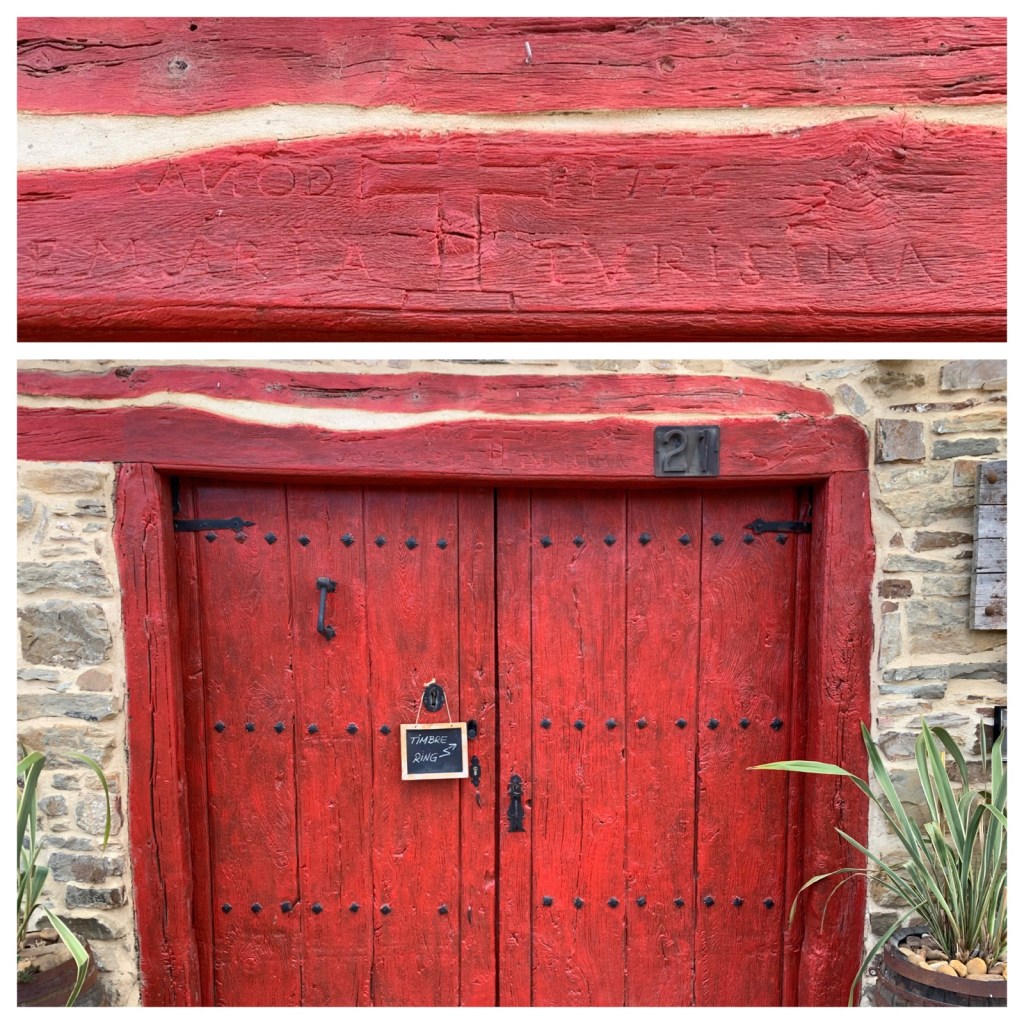
The house was last occupied in the 19th century by the president of the local town council. Also, according to local tradition, when Napoleon over ran Astorga and subsequently occupied the town in the 19th century, he seized the house and used it as a temporary troops headquarters.
Totally fascinated but exhausted from all the historical research, Jim decided to end his blogging for the day.
 Jimandi